





















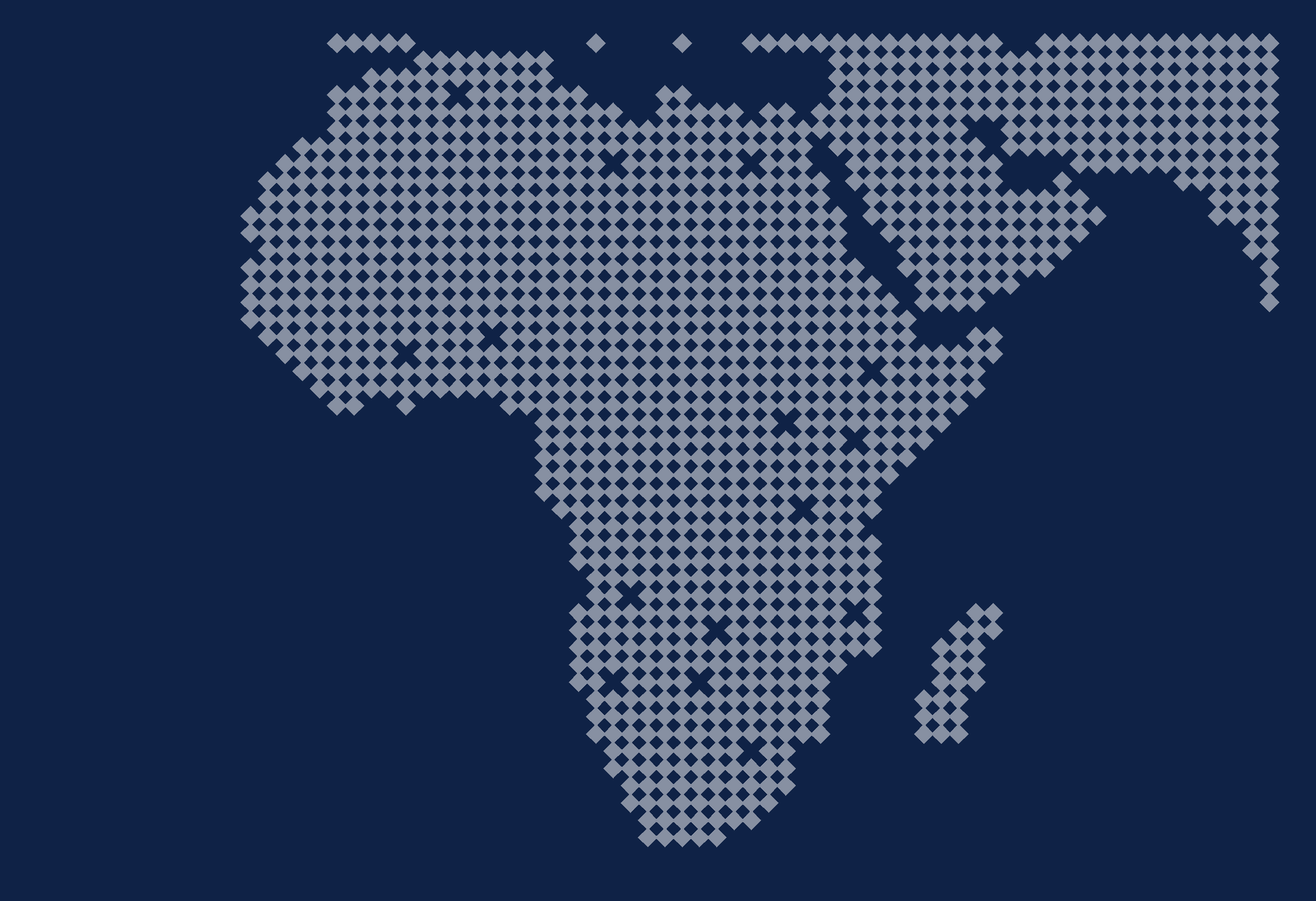

The alliance’s membership as published by GPSA. Regions are our grouping of its countries, not the alliance’s own.
Australia
The alliance member for Australia is this firm
Australia is where the firm itself sits in the alliance. Legal work here is ours, from Sydney, Canberra and Frankfurt am Main.
On accounting and tax we work with Accru Felsers. Where a matter needs an accountant, and a restructure, a share transfer or a raise usually does before the drafting starts rather than after, we bring them in and the two sides run together.
Who does it
New Zealand
New Zealand in the alliance
New Zealand has a stable and globally competitive economy, and provides opportunities for overseas corporates and investors looking to grow their foreign business ventures and investments. New Zealand is currently voted by the World Bank out of 189 countries first for the ease of doing business and of starting a new business and second for protecting minority investors.
On the alliance’s site
Cambodia
Cambodia in the alliance
The Kingdom of Cambodia, located in southeast Asia, is about half the size of Germany. The total area of 181.035 square kilometers is home to impressive cultural and historical artefacts, 630 protected animal species and about 16 million people, more than half of them younger than 25 years.
On the alliance’s site
Indonesia
Indonesia in the alliance
Spanning not less than 17,000 islands, Indonesia does not only represent the largest island state in the world, but also the strongest economy in Southeast Asia. The opening of the domestic market to international trade and the increasing liberalisation of the economy keep generating a continuously growing potential for foreign investors.
On the alliance’s site
Malaysia
Malaysia in the alliance
Since gaining independence from the British Crown in 1957, Malaysia has inexorably continued its transformation from a traditional economy dominated by the primary sector to a growth-oriented industrial nation. The Southeast Asian state with a population of almost 33 million is now well on its way to becoming a modern high-income country.
On the alliance’s site
Myanmar
Myanmar in the alliance
Located between India and China, Myanmar literally is the geographical interface between the two most populous countries in the world. Since the end of 2010 and after a long time of isolation, the country has undergone a political transformation from military rule to parliamentary democracy and, at the same time, a gradual economic opening.
On the alliance’s site
Philippines
Philippines in the alliance
The archipelago of 7,641 islands in the Western Pacific, one of the most resource-rich states in the region, used to be considered the “pearl of Asia” in colonial times and is now well on its way to regaining the fame of those glorious days.
On the alliance’s site
Singapore
Singapore in the alliance
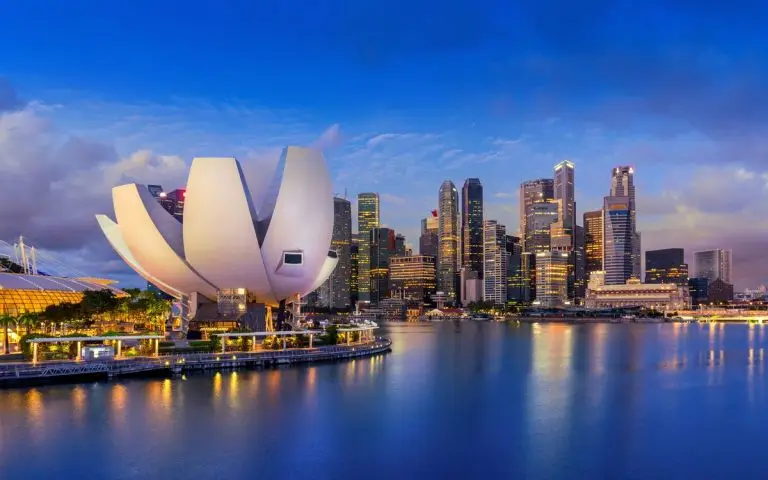
The “2nd best place to do business” according to the World Bank´s Ease of Doing Business Index does not only benefit from its fabulous geographical location on some of the world´s central trade routes, but also from stable political conditions, a first-class infrastructure and a modern administrative and legal system.
On the alliance’s site
Thailand
Thailand in the alliance
Located right in the heart of Asia, Thailand is an extremely attractive destination for business ambitions. In addition to a vibrant domestic market of approx. 69 million people, the Kingdom offers excellent access to the region’s surrounding dynamic markets as well as to China and India.
On the alliance’s site
Vietnam
Vietnam in the alliance
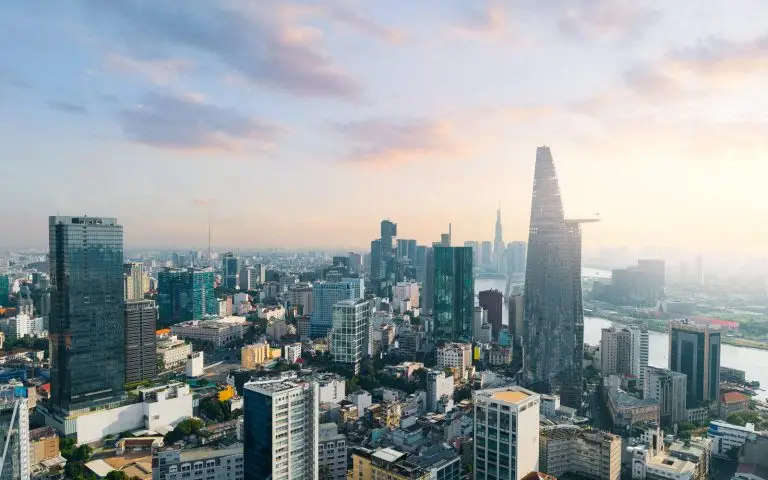
With its capital Hanoi in the north and the vibrant economic center Ho Chi Minh City in the south, the coastal state of Vietnam is home to two of the fastest growing metropolises in the world.
On the alliance’s site
China
China in the alliance
1.4 billion people, this almost unbelievable number of potential consumers puts China at the top of the list of the most important sales markets, not only for European companies. Whether in B2C or B2B, the country on the South China Sea offers countless opportunities.
On the alliance’s site
Hong Kong
Hong Kong in the alliance
Located in the South China Sea, the former British crown colony of Hong Kong is also known under the name of Xiānggǎng, which translates as “fragrant harbour”. Together with the southern Chinese province of Guangdong and the special administration zone of Macau, the three-fold special administrative region forms the Pearl River Delta, famous for its strong economic power.
On the alliance’s site
India
India in the alliance
The vibrant subcontinent of India has been following a consistent course of market liberalisation for the past 20 years. The world’s largest democracy experienced changes of government and coalitions, but always continued on the path of opening market access. A population which is among the youngest worldwide and a growing consumer middle class of several hundred million people result in dynamic domestic demand.
On the alliance’s site
Japan
Japan in the alliance
The fourth largest island state in the world is located in the Pacific ocean and impresses with densely populated cities, imperial palaces, mountainous national parks and thousands of shrines and temples. The capital Tokyo entices with futuristic skyscrapers, shopping paradises and its unique pop culture. Japan is the only constitutional monarchy in the world whose head of state is an emperor.
On the alliance’s site
Kazakhstan
Kazakhstan in the alliance
Kazakhstan is an exporter of oil and gas. The country is also rich in gold, coal and uranium. Another export item is rare earths. Located in the heart of Eurasia, the world’s ninth largest country is intent on reviving its historic role as the main link between Europe and Asia and becoming a major business hub and transit station in the region.
On the alliance’s site
Mongolia
Mongolia in the alliance
40 of the approximately 190 countries in the world are landlocked states without direct access to the sea. Mongolia, located in the heart of East Asia and bordering only China and Russia, is one of them. The country is characterized by the Mongolian steppe and impressive landscapes such as the Gobi Desert, as well as by its sometimes extreme climatic conditions.
On the alliance’s site
Pakistan
Pakistan in the alliance
The Islamic Republic of Pakistan, with its capital Islamabad, is located in South Asia and is bordered by four neighbouring countries: India, China, Afghanistan and Iran. The approximately 1.000 km long coastline on the Arabian Sea is one of the most important trade routes. The official languages are Urdu and English.
On the alliance’s site
South Korea
South Korea in the alliance
The East Asian state with parliamentary democracy is located on the southern half of the Korean Peninsula, characterized by hilly landscapes with cherry trees and Buddhist temples, picturesque fishing villages along its long coastline, subtropical islands and ultra-modern cities such as the capital Seoul, a world city with the fourth largest economic output worldwide.
On the alliance’s site
Taiwan
Taiwan in the alliance
The small island state 180 km east of China combines centuries-old Chinese cultural heritage with the integration of different ethnic groups in an open society and long-term, stable economic development.
On the alliance’s site
Tajikistan
Tajikistan in the alliance
At 143,100 km², Tajikistan covers around 40 % of the size of Germany, making it the 24th smallest country in Asia and 96th smallest in the world. Politically, Tajikistan has been independent since 1991 and is a presidential republic with a bicameral parliament. Tajikistan lies at an average altitude of 3186 meters above sea level, making it one of the highest countries in the world.
On the alliance’s site
Uzbekistan
Uzbekistan in the alliance
Uzbekistan is the most populous country in Central Asia. It has implemented numerous economic reforms during recent years, leading to economic growth and sustainable progress and offering additional opportunities to the Uzbekistani population. This is why many foreign companies have decided to enter the Uzbekistani market.
On the alliance’s site
Bahrain
Bahrain in the alliance
The state of Bahrain, consisting of various islands, is a constitutional monarchy in the Persian Gulf, east of Saudi Arabia and west of Qatar. With an area of around 750 km² (after artificial wash-ups), the archipelago is slightly smaller than the 755 km2 municipal area of Hamburg. The name “al-Bahrain” means “the two seas” in Arabic.
On the alliance’s site
Kuwait
Kuwait in the alliance
The Emirate of Kuwait is a state in the Near East on the Arabian Peninsula, governed by a constitutional monarchy. It borders Iraq to the north and west, Saudi Arabia to the south and the Persian Gulf to the east. The economy of Kuwait is small, but very prosperous thanks to its rich oil deposits (8 % of the world’s resources). The Kuwaiti dinar is the most highly valued currency unit in the world.
On the alliance’s site
Oman
Oman in the alliance
Oman, a sultanate on the Arabian Peninsula, comprises deserts, oases in riverbeds and a long coastline along the Persian Gulf, the Arabian Sea and the Gulf of Oman. Covering an area about 87% of the size of Germany, Oman offers a mixture of rich tradition and a touch of modernity.
On the alliance’s site
Qatar
Qatar in the alliance
Qatar is an emirate ruled in absolute monarchy on the east coast of the Arabian Peninsula on the Persian Gulf. The 11,627 km2 large state is one of the fastest growing economies and, in terms of GDP/capita, also one of the 10 most materially rich countries in the world, and thanks to this prosperity it has an excellent social welfare system.
On the alliance’s site
Saudi Arabia
Saudi Arabia in the alliance
The Kingdom of Saudi Arabia is one of the wealthiest nations in the Middle East, the world’s largest oil exporter and the only Arab country in the G-20 club of nations. It has one of the world’s youngest populations with 50 percent of its 35 million inhabitants being under 25 years of age.
On the alliance’s site
Turkey
Turkey in the alliance
The dynamic social structure and the geographical location of Turkey make the country an attractive market. Turkey has around 82 million inhabitants and the average age is just 31 years. The young population carries a great consumer potential. The qualified and competitive domestic workforce is also an important benefit that attracts investors.
On the alliance’s site
United Arab Emirates
United Arab Emirates in the alliance
The United Arab Emirates is one of the absolute economic centers in the Middle East. With its seven emirates, the United Arab Emirates are the perfect gateway to trade in the Arab world. Investors in Dubai benefit from the various business and set up models in free trade zones, offshore or in the Dubai state territory.
On the alliance’s site
Armenia
Armenia in the alliance
In the heart of the South Caucasus, nestled between Georgia, Azerbaijan, Iran and Turkey, lies Armenia, a country with an impressive history, unique culture and growing economic potential. As one of the world’s 36 global biodiversity hotspots, Armenia offers not only breathtaking natural landscapes, but also rich opportunities for sustainable development and innovation.
On the alliance’s site
Austria
Austria in the alliance
Austria, a small, modern democratic state with a population of about 8 million, is the ideal location for international projects due to its central geographic location with eight directly bordering countries and its well-developed infrastructure. In particular the Eastern European know-how of its service providers and the historically grown understanding of the region make Austria the central east-west hub.
On the alliance’s site
Azerbaijan
Azerbaijan in the alliance
Because of its ideal geographical location between Europe and Asia, Azerbaijan has much to offer. Rich in raw materials such as oil and natural gas, it is the transition between Asia and Europe. The oil and gas industry is the most important economic sector and ensures high export rates. In recent years, the state has also taken many measures to develop all other industries.
On the alliance’s site
Belarus
Belarus in the alliance
Belarus is a country whose development was strongly influenced by the trade route “from the Varangians to the Greeks”. This route used by medieval merchants and warriors connected via the waterways of Eastern Europe the Baltic Sea region with the Byzantine Empire and crossed the territory of present-day Belarus.
On the alliance’s site
Belgium
Belgium in the alliance
Belgium is the beating heart of the European market and an important player in international trade. Due to its central location in Europe and state-of-the-art logistics infrastructure, companies in Belgium can reach 200 million consumers within a radius of 500 kilometers.
On the alliance’s site
Bosnia and Herzegovina
Bosnia and Herzegovina in the alliance
Bosnia and Herzegovina is a heart-shaped country located in South Eastern Europe, in the center of the Balkan peninsula. With its diverse ethnic make-up, its varied landscapes and climate zones and its long history as a place where different cultures meet and merge, Bosnia and Herzegovina is a unique country where, for centuries, people from all over the world have met and exchanged goods and ideas.
On the alliance’s site
Bulgaria
Bulgaria in the alliance
Bulgaria is a country in Southern Europe where the East meets the West in the northern part of the Balkans, a European state and at the same time a Balkan country with access to the Danube and the Black Sea. Bulgaria is an open market economy with a moderately developed private sector. Low rates of taxes on corporate income and private incomes contribute to a favorable business climate and encourage investment.
On the alliance’s site
Croatia
Croatia in the alliance
Croatia, officially the Republic of Croatia, is a country at the crossroads of Central and Southeast Europe, on the Adriatic Sea. The economy of Croatia is a developed high-income service-based economy with the tertiary sector accounting for 60% of the total gross domestic product (GDP).
On the alliance’s site
Cyprus
Cyprus in the alliance
Cyprus, located in the Eastern Mediterranean, is already historically considered an important trading centre between the Middle East and Europe. Today this is clearly visible. Cyprus has continuously developed into an attractive destination for investors and at the same time is regarded as a centre for international business with access to the European domestic market as an EU country.
On the alliance’s site
Czech Republic
Czech Republic in the alliance
The Czech Republic, located in the heart of Europe, has developed into a major hub for international companies. Numerous western European companies take advantage of the central location of the Vltava river where they manage their holdings, research, development activities and European accounting systems.
On the alliance’s site
Denmark
Denmark in the alliance
The Kingdom of Denmark is one of the oldest surviving monarchies in the world. Denmark has a high export rate with its highly specialized economy, which accounts for about a third of the total GDP. The country is traditionally the headquarter of many global companies, especially in the shipping, food, brewing and pharmaceutical industries.
On the alliance’s site
Estonia
Estonia in the alliance
Estonia is one of the most attractive destinations in Central and Eastern Europe for foreign direct investments due to its steady economic growth and its progressive and innovation-friendly business environment.
On the alliance’s site
Finland
Finland in the alliance
Finland is far more than just beautiful lakes and nature. It is full of prominent business opportunities. The motherland of mobile phones and text messages is still one of the world’s leading countries in information technology and other innovative high tech fields.
On the alliance’s site
France
France in the alliance
Germany is the second largest foreign investor in France with a continuous increase in its importance in recent years. The strength of the Franco-German tandem can be seen in more than 4.500 companies and 312.000 jobs in France supported by German investors.
On the alliance’s site
Georgia
Georgia in the alliance
Located in the strategically favourable South Caucasus, Georgia is a gateway to Europe from the Southeast. Being a former Soviet Union country, Georgia is currently aspiring towards European integration and has undertaken a number of profound institutional reforms during the last decades.
On the alliance’s site
Germany
Germany in the alliance
Being the fifth largest European country and situated in the western part of the Union, Germany represents the largest economy in Europe and the fourth largest in the world.
On the alliance’s site
Greece
Greece in the alliance
Greece is located in the southern part of Europe, bordering Albania, Northern Macedonia, Bulgaria and Turkey. Its total area of 131,940 square kilometers consists of 51 prefectures, which are 80% of the country and several hundred islands, which account for 20% of the country. The peninsula, that forms mainland Greece, is surrounded by more than 1400 islands, of which only 169 are inhabited.
On the alliance’s site
Hungary
Hungary in the alliance
Due to its geographical location between Western / Central Europe and South-East Europe, Hungary is used by a lot of logistic companies as a hub of the region. Besides important sectors such as machine and plant construction, electrical engineering and manufacturing, especially the automotive industry has become an important growth engine in the recent years.
On the alliance’s site
Ireland
Ireland in the alliance
The country widely referred to as the “Green Island” because of its lush landscape, is situated in the rough Atlantic Ocean, west of England and Wales. Besides the typical soft hills, Ireland captivates with its extensive waterways an untouched coast with sandy beaches and many tiny islands, rugged mountain ranges and cliffs.
On the alliance’s site
Italy
Italy in the alliance
Italy is the third largest economy in the Eurozone and the eighth largest in the world, with an internal market of 60 million people. A founding member of the European Union, NATO, the Council of Europe and the OECD, Italy is a member of the UN and the Schengen Treaty. The country is also a member of the G7 and G20 and participates in NATO’s nuclear sharing project.
On the alliance’s site
Latvia
Latvia in the alliance
With its location in the northeast of Europe, Latvia is the perfect bridge between Western and Eastern Europe. This, along with its highly qualified work-force, is the reason why more investors are venturing into establishing businesses here.
On the alliance’s site
Liechtenstein
Liechtenstein in the alliance
Liechtenstein is located in the heart of the Alps in the four-country corner of the strong economic areas of southern Germany, eastern Switzerland and western Austria. Due to its central location and well-developed transport connections as well as numerous economic and tax incentives, many international companies have settled in Liechtenstein.
On the alliance’s site
Lithuania
Lithuania in the alliance
Lithuania, the southernmost of the three Baltic states, is considered a role model for digitalisation. The northern European country, which has always been regarded as a bridge between east and west, is a top destination for IT companies, especially for software programmers and game and application start-ups, due to the fact that its fast fiber-optic internet connections are the most widespread in the world.
On the alliance’s site
Luxembourg
Luxembourg in the alliance
Luxembourg lies in the heart of Europe. Due to its central location in Europe as well as numerous commercial and tax incentives, many companies have settled there. Consequently, Luxembourg has become a cross-border commercial, financial and economic hub. As an example, during the week over 180,000 German, French and Belgian cross-border commuters travel to Luxembourg for work.
On the alliance’s site
Malta
Malta in the alliance
Located in the Mediterranean Sea in the strait between Tunisia and Italy, the southern European Maltese archipelago includes the three inhabited islands of Malta, Gozo and Comino, as well as the four uninhabited and also largely unknown micro-islands of Cominotto, Filfla, St. Paul’s Islands and Fungus Rock.
On the alliance’s site
Moldova
Moldova in the alliance
The Republic of Moldova is on the upswing. Having gained its sovereignty, it has consistently oriented itself towards a free market economy under the influence of international organizations. Its economy is characterised by continuous growth. In the Doing Business Ranking 2019, Moldova ranks 47th out of 190 countries.
On the alliance’s site
Netherlands
Netherlands in the alliance
Located in the heart of continental Western Europe, the Netherlands is a gateway to Europe. Nearly all of the major EU markets can be reached within one day, therefore more than 15,000 international companies have established businesses throughout the Netherlands. 170 million consumers within a radius of approx.
On the alliance’s site
North Macedonia
North Macedonia in the alliance
North Macedonia is a land locked country in the heart of the Balkans, with a population of approximately 2 million. Many European businessmen and foreign investors see North Macedonia as an investment destination with stable macroeconomic policy, like one-stop-shop or 4-hour company registration, competitive low tax rates, open trade regime and free economic zones.
On the alliance’s site
Norway
Norway in the alliance
Norway, known above all for its mountains, glaciers and deeply cut coastal fjords, is not a member of the EU, but as an EFTA country within the European Economic Area (EEA) it is closely integrated into the continental European economic system. In addition to a high standard of living, the Kingdom offers a diverse economy: both shipbuilding and the software industry play a major role in Norway.
On the alliance’s site
Poland
Poland in the alliance
Sitting right in the centre of Europe, Poland has been considered one of the best locations for business for many years as evident from numerous rankings. With 38 million people it is one of the biggest sales markets in the European Union. The strategic location provides easy access to other Community markets with 500 million consumers as well as to Eastern Europe.
On the alliance’s site
Portugal
Portugal in the alliance
Portugal is located on the Iberian Peninsula in the westernmost part of Europe and is a gateway to the rest of the world. With a population with a good command of English, Portugal is an important trading partner for neighboring countries. Although Portugal is already the world’s largest exporter of cork, the export of handmade cork products is growing steadily.
On the alliance’s site
Romania
Romania in the alliance
Located in the southeastern part of Central Europe, on the western shores of the Black Sea, Romania is second largest country in the region, well known for its natural beauty and diversity as well as for its rich cultural heritage. Romania is an increasingly attractive destination for doing business mostly due to its skilled, well trained and highly educated labor force, with solid knowledge in IT and engineering.
On the alliance’s site
Serbia
Serbia in the alliance
Situated in the center of the south-eastern European Balkan Peninsula, Serbia borders on no less than 9 neighboring countries: Hungary, Romania, Bulgaria, Northern Macedonia, Kosovo, Montenegro, Bosnia, Herzegovina and Croatia. On a little less than 90,000 km² Serbia unites wide plains, picturesque mountain formations as well as hills and valleys crossed by rivers.
On the alliance’s site
Slovakia
Slovakia in the alliance
Located in Central Europe, Slovakia is a member of the European Union as well as the European Monetary Union; the Euro was introduced in 2009. The country is party to the Schengen Agreement, which makes trade with the surrounding countries much easier. A number of international companies with focus on Central European markets have their seat in Bratislava due to its favourable position.
On the alliance’s site
Slovenia
Slovenia in the alliance
Slovenia is located just in between of Italy, Hungary, Austria and Croatia. It has one of the biggest ports in Europe for containers and vehicles. Slovenia’s railway and road infrastructure represents a perfect logistical crossroad between Eastern and Western Europe and between Northern and Southern Europe. With a population of two million, Slovenia is one of the smallest countries in the EU.
On the alliance’s site
Spain
Spain in the alliance
Spain is a country that offers endless possibilities. Its cultural, natural and gastronomic heritage is immense and exciting. Everything you expect and even more can be found in the more than 500.000 km² area which is accessible to all travellers. The open and willing character of the Spanish has a lot to do with good weather, although they are wrongly known for the words fiesta and siesta.
On the alliance’s site
Sweden
Sweden in the alliance
Sweden is Europe’s third largest country in terms of area and has a great diversity in its nature and climate. Yet it is relatively sparsely populated with only about 10 million inhabitants, 10% living in the picturesque city of Stockholm. We have offices in Stockholm and in Malmö, which is located in the south of Sweden and only a stone’s throw from Denmark and Copenhagen via the Öresund Bridge.
On the alliance’s site
Switzerland
Switzerland in the alliance
Located in the Central European inland, Switzerland enthuses with its rich treasure of historical landmarks and with its unique landscape dominated by a multitude of lakes and by breathtaking Alpine peaks and glaciers in the Swiss high mountains. Extensive hiking trails and attractive ski resorts attract nature lovers and winter sports enthusiasts all year round.
On the alliance’s site
Ukraine
Ukraine in the alliance
Ukraine is the second largest country in Europe with 42 million consumers. Through the Association Agreement with the EU, Ukraine gained access to European markets in 2016. Due to the proximity to the EU and the low-cost labour force, many foreign companies have settled in Ukraine, which manufacture products with a great deal of manual labour (e.g. automotive, clothing and furniture industry).
On the alliance’s site
United Kingdom
United Kingdom in the alliance
Great Britain is not only proud of its history as a world-leading commercial power, but is still the world’s fifth largest economy and therefore a highly sought after place to invest in and an important trade partner. The country offers potential investors one of the lowest corporation tax rates of the G20 nations.
On the alliance’s site
Algeria
Algeria in the alliance
Located in the northwest of Africa, Algeria is the largest country on the African continent by area, and the tenth largest in the world. Since the end of the Algerian war (1954-1962), the country has been independent and has been subject to a semi-presidential system of government since the constitution of 1996. The 41 million inhabitants are distributed very unevenly over the impressive area of 2,381,741 km².
On the alliance’s site
Angola
Angola in the alliance
Despite a low level of economic diversification, the Republic of Angola is one of the strongest economies in sub-Saharan Africa. The country has enormous oil reserves, but is economically highly dependent on oil exports. With economic reforms, the Angolan government is seeking to diversify the economy and promote the private sector. In particular agriculture, industry and trade are being promoted.
On the alliance’s site
Botswana
Botswana in the alliance
The Republic of Botswana is almost twice the size of Germany, but has only 2.3 million inhabitants. The reason for this is the country’s extensive desert region. Botswana is politically and economically stable. The country’s economy is largely dependent on diamond mining, which is the main source of income for the state. Botswana has one of the largest diamond deposits in the world.
On the alliance’s site
Egypt
Egypt in the alliance
Egypt’s economy is currently undergoing a phase of recovery, supported by far-reaching reforms following a period of political and macroeconomic instability. With a population of over 110 million, predominantly young and increasingly urban, Egypt is one of Africa’s most dynamic consumer markets.
On the alliance’s site
Ethiopia
Ethiopia in the alliance
Ethiopia has become one of the most promising growth markets on the African continent. The government’s strict implementation of development plans is exceptional by African standards and provides an increasing level of protection for investors. The outstanding economic growth is spurring development, particularly in the infrastructure and energy sectors.
On the alliance’s site
Ghana
Ghana in the alliance
The Republic of Ghana is the West African entry country for “Africa beginners”. The treatment of foreign investors in the country is very progressive and the market entry is among the easiest in Africa. Ghana is one of the African countries with the highest growth rates and is popular with German investors as a regional hub.
On the alliance’s site
Kenya
Kenya in the alliance
The East African Market offers many investment opportunities in agriculture, manufacturing, oil and gas and many other emerging sectors. East Africa is home to approximately 200 million people and is therefore a large market with high growth potential. In addition to its world-famous athletes, Kenya is also known for its breathtaking tourist attractions and the wildebeest migrations at the Mara.
On the alliance’s site
Libya
Libya in the alliance
Libya extends over 1,759,540 square kilometers (679,362 square miles), making it the 16th largest nation in the world. Libya is washed by the Mediterranean sea in the north, It is neighboring Tunisia and Algeria in the west, Niger in the southwest, Chad in the south, Sudan in the southeast and Egypt in the east.
On the alliance’s site
Mauritius
Mauritius in the alliance
The Republic of Mauritius is an island state in the Indian Ocean. Beside the main island Mauritius, the Republic includes the island Rodrigues and the island groups Agalega and Cargados-Carajos. Mauritius belongs to the wealthy and well developed countries of Africa. The country’s infrastructure is very good and the economy is diversified. The main economic sectors include tourism, ICT and financial services.
On the alliance’s site
Morocco
Morocco in the alliance
Africa is in vogue. And Morocco is one of the three African champions competing with Egypt and South Africa as a hub to Africa. Al-Maghreb (the West) offers a unique cultural and natural diversity, spectacular colours, oriental markets and bustling cities as well as remote Berber villages with ancient traditions.
On the alliance’s site
Mozambique
Mozambique in the alliance
Mozambique is a country rich in raw materials, but also very poor, with a high national debt, political conflicts and a stressed economy. However, Mozambique also has great economic potentials. In addition to titanium, gold, diamonds and uranium, Mozambique possesses impressive coal and gas reserves. In particular, the development of a large offshore gas field is regarded as the country’s economic hope.
On the alliance’s site
Namibia
Namibia in the alliance
The Republic of Namibia is more than twice the size of Germany, but has only approximately 2,4 million inhabitants and therewith belongs to the least populated countries of the world. In regional comparison, the Namibian economy is very stable and is dominated by agriculture, mining and tourism. The country’s well-developed infrastructure is being continuously and extensively expanded.
On the alliance’s site
Nigeria
Nigeria in the alliance
Nigeria is located in West Africa on the Gulf of Guinea between the Republic of Benin and Cameroon. It shares its land borders with Cameroon in the East, Niger in the North, the Republic of Benin in the West, and Chad in the North East. Its coast in the South lies on the Gulf of Guinea on the Atlantic Ocean. Recently, Nigeria’s economic outlook has been shaken by a number of events.
On the alliance’s site
South Africa
South Africa in the alliance
Around 800 German companies have already discovered South Africa as a sales market. Reasons for this are i.a. the large domestic market with 55 million inhabitants, the good infrastructure and the progressive legal framework. In addition, South Africa offers itself as a beginner country and springboard for the African market.
On the alliance’s site
Tanzania
Tanzania in the alliance
The United Republic of Tanzania is one of the politically and economically stable countries in East Africa. The economic growth rate is continuously around 6%. Tanzania is rich in mineral resources and has great agricultural potential. Besides mining and agriculture, the following sectors are also showing good growth: ICT, manufacturing and construction.
On the alliance’s site
Tunisia
Tunisia in the alliance
Tunisia has been a commercial and cultural hub since the antiquity. Thanks to its location in the heart of the Mediterranean and its role as a crossroads between Europe, Africa and the East, the country has developed a solid industrial structure, specializing mainly in the textile, mechanical and electrical industries and the food sector.
On the alliance’s site
Uganda
Uganda in the alliance
Uganda is located at the heart of Africa and lies astride the equator. The total surface area of Uganda is about 241 thousand square kilometers of which about 41 thousand square kilometers is under water. Its population is approximately 45 million of which almost a quarter of the population is between 18-30 years. The official language is English. Swahili and Luganda are also spoken.
On the alliance’s site
Zambia
Zambia in the alliance
Zambia is a landlocked country in southern Africa. It borders the southern tip of Lake Tanganyika, Tanzania, the Democratic Republic of Congo, Angola, Botswana, Mozambique, Namibia, Malawi and Zimbabwe, and shares the Victoria Falls, Lake Kariba, and a stretch of the Zambezi River with them. In 2019, 17 million people are expected to live in Zambia (65th place worldwide).
On the alliance’s site
Argentina
Argentina in the alliance
With a Gross Domestic Product (GDP) of more than US$500 bilion, Argentina is one of the largest economies in Latin America. Argentina has vast natural resources in energy and agriculture. Within its 2.8 million square kilometers of territory, Argentina is endowed with extraordinary fertile lands and has great potential for renewable energy.
On the alliance’s site
Brazil
Brazil in the alliance
Brazil is by far the most important trading partner and investment location for German companies in Latin America. As the largest economy in Latin America and offering exceptional reserves of raw materials, the country today is an integral part of international company operations and in spite of the political climate continues to offer many opportunities for German and European investors and entrepreneurs.
On the alliance’s site
Canada
Canada in the alliance
Coming in at number 9 on Forbes 2019 happiest countries list, Canada ranks highest amongst the G7 countries. Being the country with the 2nd largest land mass in the world has provided Canada with $33.2 trillion in natural resources. We are also home to many esteemed international companies such as Magna International, Blackberry and Lululemon to name a few.
On the alliance’s site
Chile
Chile in the alliance
Chile is one of Latin America’s most stable economies, as well as the wealthiest country in South America by GDP per capita; and according to the International Monetary Fund, Chile’s economy is expected to grow 3.4% in 2019 and 3.2% in 2020. Chile has a population of 18 million, around 5 million of which lives in the country’s capital, Santiago.
On the alliance’s site
Colombia
Colombia in the alliance
Colombia today is a leading country of South America in terms of both level of domestic growth and foreign investment. The peace process signed in 2018 represents an increase in growth in all areas of commerce, industry, services, tourism and infrastructure. The latest tax changes are a clear example of the country’s course.
On the alliance’s site
Costa Rica
Costa Rica in the alliance
Costa Rica, the name comes from the Spanish and means “Rich Coast”, is a rugged, rainforest-covered country in Central America with coastlines on both, the Caribbean Sea and the Pacific Ocean. Beaches, volcanoes and an impressive biodiversity characterize the country´s landscape, about a quarter of which consists of protected jungle areas.
On the alliance’s site
Ecuador
Ecuador in the alliance
The South American country on the equator is known for its “4 worlds” – a diverse landscape with a unique range of climatic conditions. The Sierra, the Andean highlands, is dominated by cool mountain weather. In the Amazonía, the Amazon jungle, a tropical rainforest climate prevails.
On the alliance’s site
Mexico
Mexico in the alliance
Mexico is located in the heart of the American continent and has numerous well-located and important seaports. On the one hand Mexico is famous as a production market especially for distribution in North America, on the other hand Mexico itself has a growing local market for consumer and producer goods. Mexico is open for foreign investments and has worldwide free trade agreements with 46 countries.
On the alliance’s site
Paraguay
Paraguay in the alliance
Situated between Argentina, Brazil and Bolivia, Paraguay is one of the only two landlocked countries in South America. The Rio Paraguay divides it into two major landscapes: vast swamplands and subtropical forests in the lowlands and mountains of the east, and the Chaco Boreal, a wilderness of savanna and scrubland in the west of the country. The size of its area is comparable to that of Sweden.
On the alliance’s site
Peru
Peru in the alliance
After Brazil and Argentina, Peru is the third largest country in South America in terms of area. With just 30 million inhabitants and an area that is roughly 3.5 times the size of Germany, “The richest country in the world” fascinates with its overwhelming landscapes.
On the alliance’s site
USA
USA in the alliance
Known as the land of opportunity for a reason, according to GDP the USA has the world’s largest economy, with its main source of value added by the services sector. With the growth of health care, technology and manufacturing sectors, many German companies have taken the leap across the Atlantic making Germany the fourth largest foreign employer in the USA.
On the alliance’s site
Uruguay
Uruguay in the alliance
Uruguay has traditionally been a focus country for economic and institutional stability in the region. With flexible legislation, but complying with the highest international standards in terms of transparency and control, Uruguay is an ideal platform for international business relations and offers attractive conditions for the establishment of companies of all kinds within the country.
On the alliance’s site